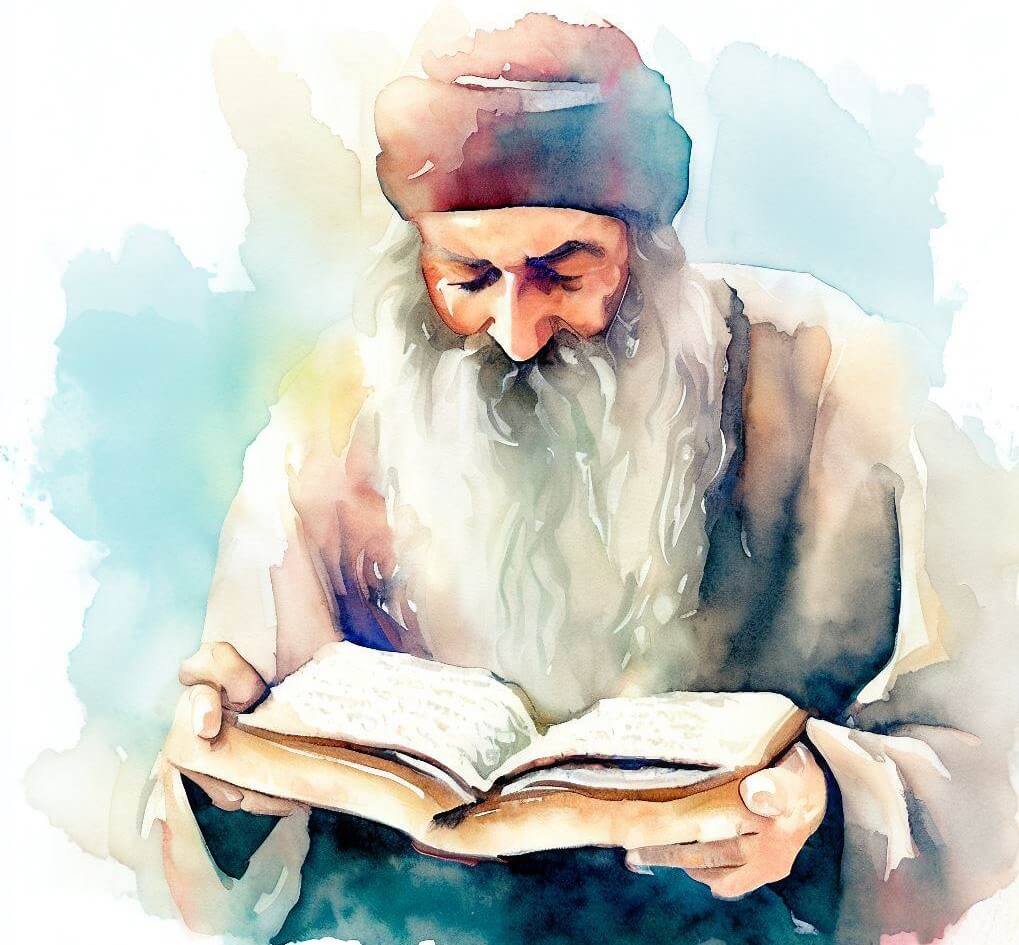
Which is preferable: simple faith, or sophisticated inquiry into spiritual matters?
We find the psalmist contrasts the mountains with the depths, and compares people with beasts:
צִדְקָתְךָ כְּהַרְרֵי-אֵל, מִשְׁפָּטֶיךָ תְּהוֹם רַבָּה; אָדָם וּבְהֵמָה תוֹשִׁיעַ ה'. (תהילים ל"ו:ז)
“Your righteousness is like the mighty mountains, Your judgments are like the great abyss. God, You deliver man and beast.” (Psalms 36:7)
What does it mean that God watches over both “man and beast”?
Man-Beasts
The Sages in Chullin 5b gave a surprising interpretation of this phrase, “man and beast.” They explained that the verse is speaking of individuals — holy individuals — who unite together the best qualities of both humans and animals: “This refers to those who are cunning in knowledge, and yet conduct themselves like beasts.”
Is this a positive trait? Why should those who are intelligent and astute conduct themselves like beasts?
Intellectual Independence and Simple Faith
We have two qualities that, unfortunately, often contradict one another. On the one hand, we have an intellectual side — our innate curiosity, a drive to investigate and understand. And we have an opposing quality of simple faith, an acceptance to live life with unquestioning trust in God.
These two qualities ordinarily do not go together. Those who are firm in their faith are usually disinclined to rigorously examine and question. And those who are driven to inquire and investigate, on the other hand, tend to have a weakened trait of acceptance and simple faith.
However, the optimal path is that each faculty should not impinge upon the other. Rather, each one should be expressed as if it alone were the dominant trait. Our faith should be unshakeable, as if doubt and uncertainty could not even be considered. And our intellectual powers should be alert and fearless, as if we possess no qualities of faith and trust.
Rav Kook cautioned against piety when it is disconnected from study and intellectual inquiry. The greatest danger of such piety is that,
“Fear of sin is replaced by fear of thinking. When people are afraid to think, they progressively drown in the morass of ignorance, which robs the light of their soul, enervates their strength, and casts a pall over their spirit.” (Orot HaKodesh vol. III, p. 26).
This is the lofty level about which the Sages spoke: holy individuals who are “cunning in their knowledge.” They are intellectually independent, willing to examine any subject, but they do not abandon their simple faith. In their practical lives, they “conduct themselves like beasts” — they serve God with the pure service of a loyal servant who fulfills the Master’s wishes without question.
Perhaps this is the connection to the beginning of the verse. God’s righteousness is “like the mighty mountains” — like the lofty peaks of wisdom and knowledge that we scale in our relentless efforts to understand. But His judgment reaches all the way down to the great depths — to the depths of our inner resources of faith.
We should utilize our intellectual gifts to acquire holy traits, enabling our basic nature to lead us to paths of goodness and integrity. Then we become like the animals, who live their lives according to instinctive nature. “You deliver man and beast.”
(Adapted from Orot, p. 167; Olat Re’iyah vol. II, p. 149)