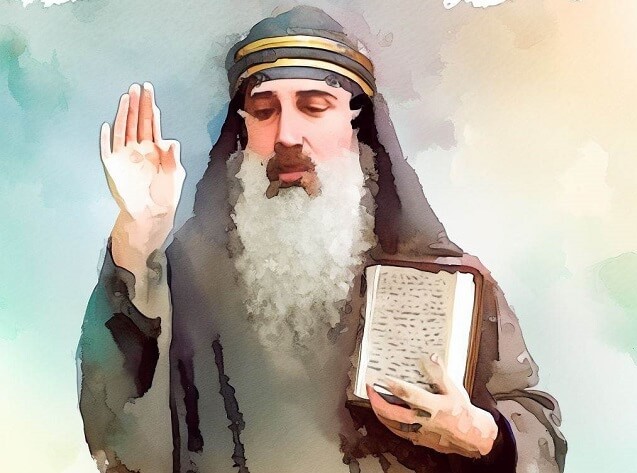
One who makes a vow should take care to fulfill it:
If a man makes a vow to God, or makes an oath to prohibit [something] to himself, he must not break his word. He should do all that he expressed verbally. (Num. 30:3)
Oaths and vows are a natural human response in times of intense emotions. Particularly when we sense danger or trouble, we spontaneously begin to bargain with God. We pledge to improve ourselves or repay some undeserved kindness. Why do people act this way?
The Intellect and the Emotions
Two major facets of the soul are the intellect and the emotions. Fortunate is the individual who has succeeded in refining both intellectual and emotional aspects, so that they work together and complement each other.
Torah study and mitzvot help us grow in both of these areas. Some mitzvot are primarily geared towards developing the intellect. They guide us towards an accurate outlook on the world, and help us focus our powers of analysis and introspection. Other mitzvot are more related to our emotional lives. They guard and direct the emotions, refining them so that they will harmonize with the rational intellect.
Where do vows and oaths fit in? They are associated with the realm of emotions. Vows are usually the result of an outburst of feelings — an overpowering sense of holiness, awe, fear, or gratitude — that fill one’s heart and inspire one to make a vow. The Torah admonishes us to be careful to fulfill our pledges. We need to recognize the value of these holy feelings. One who belittles and disregards his vows is in fact rejecting the great benefit of this natural asset, for vows can direct us to live an emotionally refined life that complements our intellectual attainments.
Keeping One’s Wife
Rabbi Natan, the second-century scholar, made a statement that is difficult to understand: “A man loses his wife as punishment for breaking vows” (Shabbat 32b). What is the connection between keeping one’s vows and keeping one’s wife?
The principal differences in the psychological makeup of men and women are rooted in the spheres of intellect and emotion. Women excel in emotional intelligence. They feel more acutely the good and the evil in moral choices, the true and the false in practical studies, the beautiful and the ugly in lifestyles.
Men, on the other hand, are more focused on their intellectual faculties. For them, emotions take on a supporting role.
A woman of valor is called “her husband’s crown” (Proverbs 12:4). Her talents complement that which is lacking in her husband, namely the emotional component. His powers of introspection are bolstered and sustained by her heightened sense of good and evil, truth and falsehood.
One who disparages the importance of vows, and their usefulness in refining the emotions, has also lost sight of the sublime value provided by a virtuous woman when her talents are properly appreciated. One who disregards his oaths undermines the significance of emotions in life and spiritual growth. Such a person, Rabbi Natan taught, has ‘lost’ his wife and her unique contribution. His path in life, both spiritual and material, is limited, for only a woman of valor “does him good and not evil all the days of her life” (Proverbs 31:12).
(Gold from the Land of Israel, pp. 280-281. Adapted from Ein Eyah vol. III, p. 176)