Yom Teruah
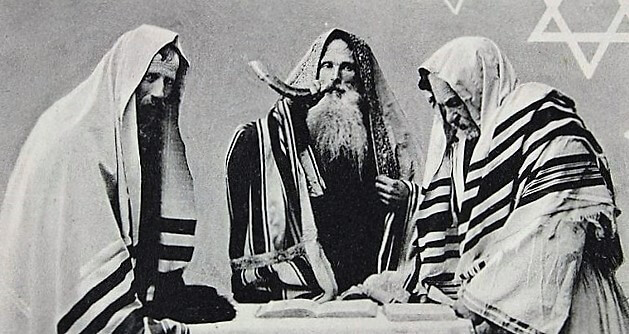
The Torah describes Rosh Hashanah as a “a day of teruah blasts” (Num. 29:1). What are these teruah-blasts of the shofar? What is their connection to Rosh Hashanah and the High Holiday theme of repentance and return?
According to the Talmud in Rosh Hashanah 34a, the exact sound of the teruah is a matter of dispute. Some say it is genuchei ganach, a groaning or moaning sound. According to this opinion, the teruah should be heavy, broken sounds called shevarim, like the sobs of a soul burdened with remorse and regret.
Others, however, say that the teruah is yelulei yalil, trembling cries and wails. This opinion holds that the blasts should be short, staccato bursts, like the uncontrolled wailing of a person in extreme anguish and grief.
What is the significance of this dispute? What does it matter whether the shofar sounds like groans or howls?
Stimulus for Change
When we examine individuals who have undergone great spiritual transformation, we find two basic patterns. For some people, change was initiated by a carefully considered process of logic and reason. Intellectually they realized that something was seriously amiss in their lives, and they sought to correct it. For others, on the other hand, the principal motive for change came from the heart. They were moved by a strong intuitive feeling that they had lost their true path, an overwhelming sense that their life had failed to fulfill their heart’s aspirations.
We might ask: which stimulus is truly fundamental to the teshuvah process? Which path is more successful in sustaining spiritual growth — through the cognitive analysis of the mind or through the stirrings of the heart?
This question is precisely the doubt regarding the sound of the teruah. The shofar-blasts are a wake-up call for change and teshuvah. As Maimonides wrote in the Mishneh Torah (Laws of Repentance 3:4),
“It is as if the shofar is calling out to us: ‘Sleepers, wake up from your slumber! Examine your ways and repent and remember your Creator.'”
Perhaps the shofar blasts should recall the heavy sighs of the introspective individual who realizes that his life’s direction is false. The shofar should sound like genuchei ganach, the groans of one whose objective assessments have lead him to the unavoidable conclusion that he has missed the mark in his life and goals. Or perhaps the shofar blasts are meant to mirror the emotional outburst of yelulei yalil, the cries of pain and anguish of one distraught by a torrent of emotions at losing his way.
Utilizing Both Mind and Heart
There is, however, a third possibility. There is an ancient custom that the shofar blasts are meant to sound like both genuchei ganach and yelulei yalil. This opinion holds that we should blow shevarim-teruah, combining groans and uncontrollable weeping.
This custom reflects the most complete form of teshuvah, one that incorporates both the intellect and the emotions. One begins with genuchei ganach, a cognitive realization that all is not well and change is necessary. This intellectual awareness then fosters a sense of remorse and grief so vivid that it awakens the most powerful emotions — yelulei yalil. Maimonides similarly described the teshuvah process as progressing from cognitive decision to emotional remorse, “The sinner relinquishes the sin, removing it from his thoughts and resolving never to repeat it... And then he should feel remorse for his past misdeeds” (Laws of Repentance 2:2).
This is the most effective form of teshuvah, as it utilizes the strengths of both faculties, the emotions and the intellect. The advantage of emotions over cold logic is their ability to make a deep impression on the soul. On the other hand, change based on emotions alone, without a reasoned foundation, may be unsustainable in the long run.
The psalmist exclaimed, “Fortunate is the nation that knows the teruah-blast!” (Psalms 89:16). What is so wonderful about knowing how the shofar sounds? Rather, the verse means this: when we understand the true power of the teruah — when we know how to utilize both aspects, the genuchei-sighs of the mind as well as the yelulei-cries of the heart — then we can base our teshuvah on the solid foundation of reason and emotions together. With such teruah-blasts, “they will walk in the light of Your countenance” (ibid.) — we are assured of following a path of life enlightened by God’s light.
(Silver from the Land of Israel. Adapted from Olat Re’iyah vol. II, pp. 328-329)